
When Does an Unfinished Game Make It Harder to Stop Playing?
Introduction
The hardest moment to leave a game isn’t always the final whistle or the last screen. Often, it comes just before the outcome is settled: one possession left, one round to decide the score, one mistake to correct. The match is still in progress, and stopping can feel less like choosing to rest than walking away from a story whose ending is close.
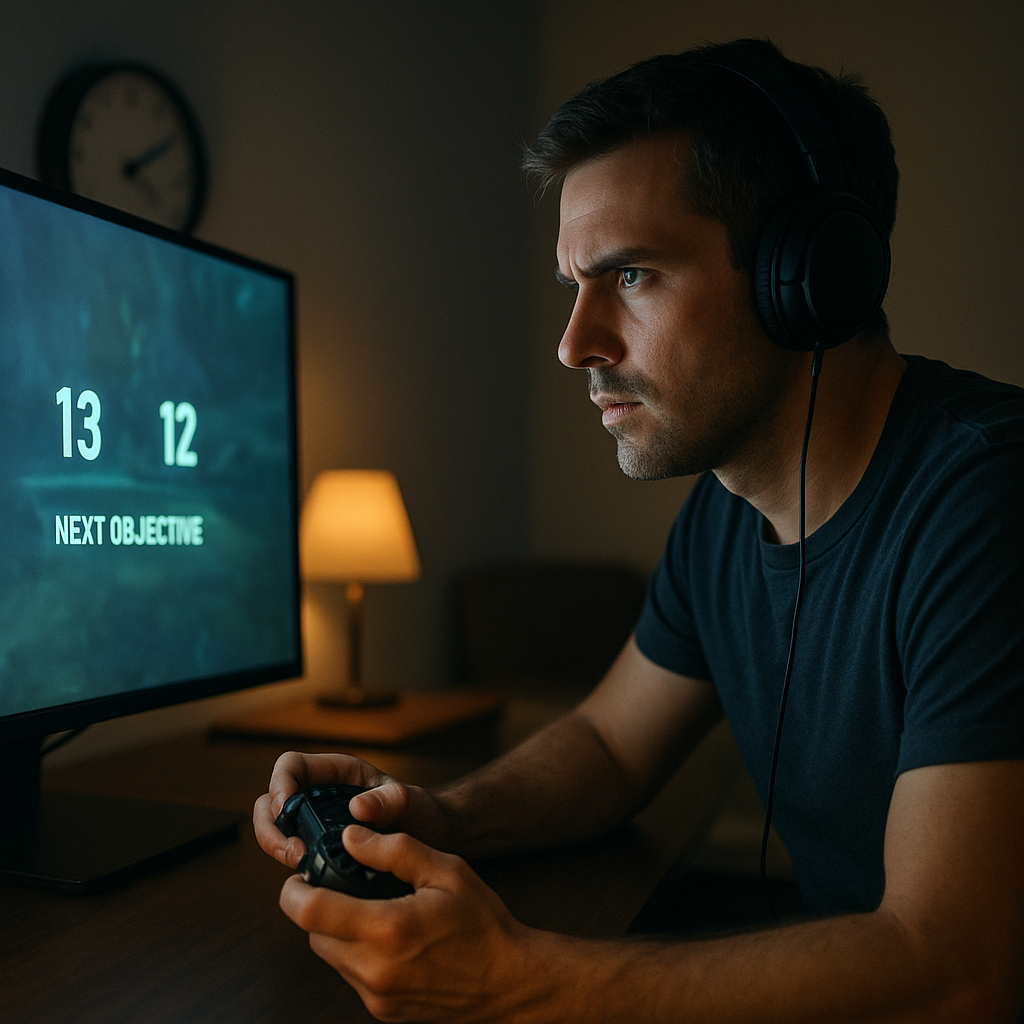
That pull is especially strong in competitive games, where players don’t just watch events unfold. They can make the next decision and influence the result. The promise of control can turn a short break into another round, even when fatigue is already affecting their judgement.
An unfinished game doesn’t automatically keep someone playing. The urge is strongest when uncertainty, personal investment and a sense of being close to the outcome come together. Another game can seem irresistible when the result feels unresolved but within reach.
Analysis of the teams or players
Consider two sides in a hypothetical match. The first has a narrow lead and has spent the game protecting it. The remaining task seems simple: avoid a poor decision. The second side is behind but has found its rhythm and can see a way back into contention.
Each position creates a different kind of attachment. The leading player may stay because quitting would leave a fragile advantage unresolved. The trailing player may stay because the deficit seems recoverable. One is protecting progress; the other is trying to make up lost ground. Both can see another round as the sensible way to finish.
The same tension can affect a single player. Someone who has won several rounds may feel pressure to protect the streak, while someone who has lost may want to improve their record before stopping. In either case, the decision is about more than enjoyment. The game has become a test of what the player feels they have earned—and what they might lose by walking away.
Playing as part of a team can add to that pressure. Leaving may feel like letting teammates down, especially in a close match. That commitment can be meaningful, but it can also make it harder to stick to a personal stopping point.
Key factors
Proximity to a result. A game that seems one move from resolution is harder to leave than one that feels open-ended. The mind can turn a rough estimate into a promise: this should only take a minute. But being close to the finish isn’t the same as finishing. The next move may create a new problem rather than resolve the existing one.
Uncertainty. A settled outcome offers little reason to keep playing. A close contest leaves several possible endings in play. Each one invites another decision, and each decision brings new information. This cycle can make playing on seem useful, even when the player is no longer enjoying it.
Investment. Time already spent can loom larger than the time still needed. A player may feel that stopping would waste their effort. But that time is already gone; continuing can’t get it back. It can only add more time and make it harder to know when to stop.
Perceived control. The urge to keep playing grows when a player thinks one adjustment could change the outcome: a different tactic, sharper focus or more careful execution. That may be true. It may also be an overly optimistic reading of a contest whose outcome is still uncertain.
Fatigue and timing. When tired, players may find it harder to weigh an immediate reward against the cost of playing on. One more round late at night can seem like a small commitment, but it may stretch the session well past its intended limit. The question isn’t just whether the game can be finished, but whether another round still fits the player’s original plan.
These factors can reinforce one another. A close score increases uncertainty, making the next move feel more important. The time already invested makes stopping seem wasteful, while the belief that one better decision could settle things provides a reason to carry on. No single factor has to be overwhelming; together, they can make the game hard to leave.
Scenario of the match
Imagine a player who planned to stop after one match. The contest is close, and a late mistake costs them the win. They tell themselves a rematch will go differently: now they understand the opponent’s pattern and can correct the error. The plan to stop is still there, but a new condition has taken its place.
The rematch starts with purpose. Then the opponent changes tactics, the score tightens, and every turn seems to suggest that a solution is close. A win could provide a satisfying ending; a loss could prompt one more attempt to fix the mistake. Either result can become a reason to keep playing.
Now change one detail. Before starting, the player decides that this is their last match, whatever the result. That doesn’t prevent disappointment or make the ending feel complete. But the decision was made before the score, fatigue and frustration began to shape the argument.
That’s the difference between an open-ended session and a planned one. A boundary isn’t a prediction of how long the game will take; it’s a rule for what to do when the game becomes emotionally difficult to leave. A stopping point chosen in advance is less vulnerable to the pressure of a close finish.
Conclusion
An unfinished game is hardest to leave when the outcome seems close, the player’s effort feels at stake and a specific adjustment appears capable of changing the result. Teammates’ expectations or frustration over a recent mistake can make playing on feel more like an obligation than a choice.
But feeling nearly done doesn’t mean the end is near. Competitive games are built around uncertainty: another round might bring closure, or simply create a new reason to stay. A useful question is whether the player still wants to play—or can’t yet accept leaving the result unresolved.
That distinction doesn’t determine whether another match is worthwhile. It helps make the decision more honest. The game may remain unfinished, but the player doesn’t have to give it any more of their time.