
Rajbet Login: What Happens When You Access Your Account From Another Country?
Introduction
Logging in to Rajbet from another country may prompt a security check, interrupt your session or make no noticeable difference. The outcome depends on the platform’s security controls and the details of the sign-in attempt.
There is no verified rule that all overseas logins are blocked, approved or treated the same way. The response can vary based on account settings, device history and the service’s current requirements.
It helps to think of the situation as a balance between two priorities: letting legitimate users access their accounts and detecting unusual activity. A traveller may be the account holder, but the system can assess only the signals available to it.
Account security and the travelling user
For the account holder, the sign-in may seem routine: the same device and credentials, but a different network location. An automated security system, however, checks how well those details match the account’s usual activity. Location is only one signal, not proof of who is signing in.
The apparent location can vary depending on the network. A new browser, shared device or changed connection may also make the sign-in less familiar to the system. None of these details proves that an attempt is unsafe, but together they may make it harder to identify as routine.
The sign-in may proceed as usual. Alternatively, the platform might request additional verification, ask the user to sign in again or temporarily limit access while it reviews the attempt. These are general possibilities for online accounts, not confirmed Rajbet-specific outcomes.
Security systems can weigh several signals, but their rules are usually proprietary. Without confirmed information from the platform, claims about a specific trigger or outcome would be speculation.
Key factors
Location and network signals. A sign-in from a new country may stand out if the account is usually accessed from one place. But location does not prove identity, and network routing can make an apparent location less straightforward than it seems.
Device and browser familiarity. A familiar device may support the impression that the account holder is travelling. A new device or browser introduces another change, and the system may assess the combination differently from a location change alone. The exact criteria are not public unless the platform explains them.
Verification and recovery details. If the platform requests an extra check, the user’s ability to complete it may determine whether access continues. An outdated email address or phone number can turn a routine prompt into a delay. Keeping recovery details current is good security practice, but it does not guarantee access from abroad.
Platform rules and local availability. Access may depend on the service’s terms and restrictions that apply in the user’s location. These conditions can change, so a successful login in one country—or a blocked attempt in another—does not establish a universal rule. Check the current account terms and help information rather than relying on other users’ experiences.
Connection tools. A VPN or other routing service can make the apparent network location differ from the user’s physical location. This mismatch may complicate a security review rather than make the sign-in look more familiar. A VPN is not a reliable way to avoid checks, and disguising your location may conflict with the platform’s rules.
Possible login scenarios
In the simplest case, the account holder uses a familiar device and credentials, and the platform accepts the sign-in without any visible change. This does not mean every country is supported or that the same result will happen again; it is just one possible outcome.
The platform might instead request an additional identity check. The user may be asked to confirm access through a method already linked to the account. If they cannot complete the check, access may remain unavailable until the issue is resolved, even if the attempt is legitimate.
In a more difficult case, several unfamiliar signals—such as a new device, unusual network and different country—could lead to a temporary block or limited session. This is an illustration, not a published Rajbet threshold. A delay or rejection alone does not show which signal mattered, and repeated attempts may not explain the cause.
Location-based restrictions are separate from security checks. A platform may limit certain services or account functions in some places, so passing identity verification does not necessarily mean every feature is available. Verification assesses whether a sign-in appears credible; it does not determine which features can be used in a particular location.
If access changes unexpectedly, first identify the type of issue: a password problem, verification request, technical interruption or location-based restriction. The message shown by the service and its current account guidance may help clarify what happened. A generic error does not necessarily mean there is a permanent ban or a specific policy decision.
Conclusion
Logging in from another country may work as usual, prompt an extra check or lead to a restriction. Geography alone cannot predict the outcome: device history, network signals, verification options and platform rules all play a part. Do not assume how Rajbet will respond without current, confirmed information.
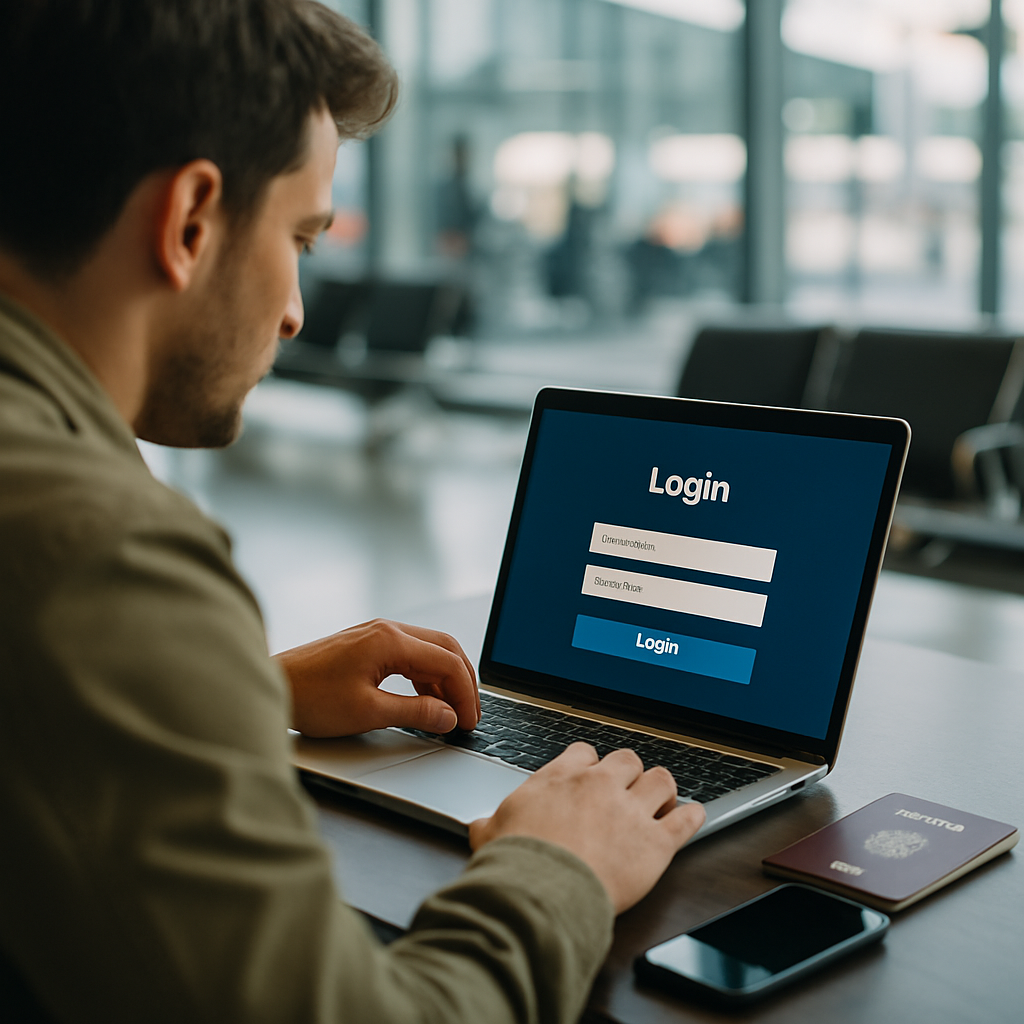
A login from abroad may attract closer scrutiny, but it does not automatically mean access will fail. Understanding the difference between security checks and location-based restrictions can help you make sense of what happens next.