
How Community Knowledge Networks Can Accelerate Progress on the Sustainable Development Goals
Introduction
The Sustainable Development Goals are often presented as a global checklist. But their toughest challenges are felt locally: a water system that fails during a dry season, a clinic that cannot reach remote households, or a school curriculum that does not meet the needs of its community.
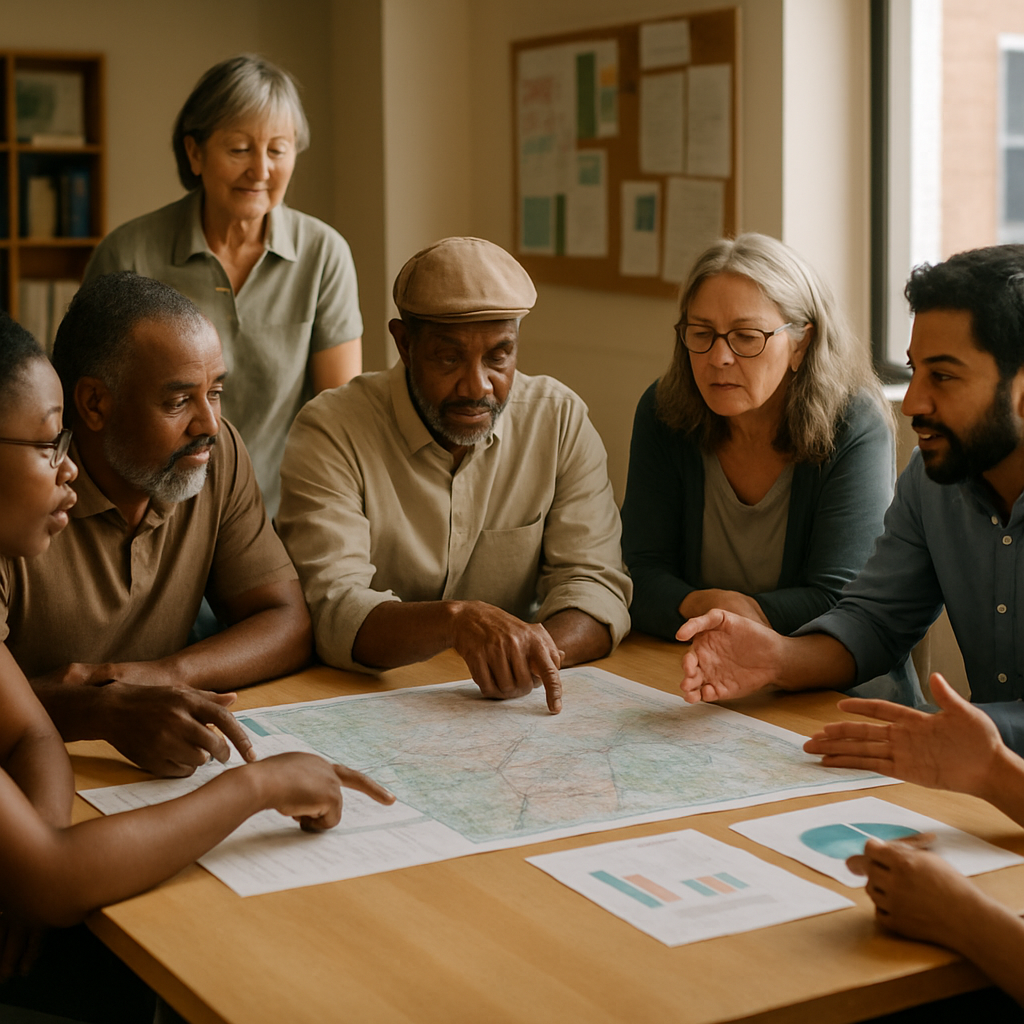
Community knowledge networks can help bridge the gap between shared ambitions and everyday realities. These community knowledge networks bring together residents, local organisations, researchers and public institutions so that local experience can inform decisions, services and policy.
Local knowledge does not replace technical expertise or public authority. But progress is more likely when the people closest to a problem help define it, test solutions and assess whether they work. Community knowledge networks can make that collaboration a consistent part of local planning.
Roles and responsibilities
Each group brings a different perspective. Communities know which households are overlooked, why people may avoid a service and what has already been tried. Their experience can reveal gaps that formal data misses, and community knowledge networks give those insights a route to decision-makers.
Local organisations can connect people and institutions. They build trust, bring together groups that might not otherwise meet, and help translate between lived experience and institutional language. Their close ties to the community are a strength, but they may be expected to take on responsibilities without stable funding or real decision-making power. Community knowledge networks work best when these organisations have the resources and authority to contribute.
Public agencies have mandates and budgets, and can change systems at scale. Universities and technical specialists contribute research methods, evidence and tools. Civil society groups can support participation and accountability. Businesses may offer logistics, technology or investment, provided their involvement is guided by clear public-interest rules. Community knowledge networks can help these different contributions align around shared priorities.
These roles work best as complements, not as a hierarchy. When institutions arrive with a finished plan and ask residents only to endorse it, participation comes too late to shape decisions. Community knowledge networks create more meaningful opportunities to influence plans from the outset.
It also matters whose voices are heard. Communities are not all alike: age, gender, disability, language, income and location can affect whether people are included. Networks that repeatedly consult only the most visible or well-connected residents risk reinforcing the very exclusions they aim to address. Inclusive community knowledge networks actively make space for people who are often left out.
Key factors
Trust comes first, and it takes consistency to build. People are more likely to share their knowledge when they understand how it will be used, who will have access to it and what will happen as a result. Networks should report back on what changed, what did not and why. This accountability helps community knowledge networks sustain trust over time.
Knowledge exchange must work in both directions. Community observations need to reach decision-makers, while research and public data should be shared in useful forms. Translation, accessible formats and time for discussion are essential parts of the process.
There must also be a clear path from insight to action. Even rich discussion can lead nowhere if no institution has the authority, budget or responsibility to respond. Effective networks assign responsibilities, set decision points and connect local priorities to planning and service delivery.
At the same time, local solutions should not be forced into a single template. One community may need better transport to reach a health service; another may need the service itself to be redesigned. Networks can help determine what applies across different places and what depends on local conditions.
Measurement is another test. National averages can hide who benefits and who remains excluded. Community-defined indicators can provide a more detailed picture, while official measures help maintain comparability and accountability. The strongest approach combines both and acknowledges gaps in the evidence. Community knowledge networks can support this shared assessment and help track SDG progress.
Digital tools can broaden participation and make information easier to organise, but access is uneven. Connectivity, device costs, digital skills, privacy and language all affect who can take part. In many settings, face-to-face meetings, phone-based reporting and trusted intermediaries remain essential.
Finally, networks need long-term support. Short projects can build momentum but may end before relationships mature or lessons influence policy. Funding should support coordination, community leadership and ongoing learning, while ensuring that unpaid participation does not become an invisible subsidy for public services.
A practical example
Imagine a district where flooding repeatedly disrupts schools, health services and household incomes. Residents may know which paths become impassable first, which buildings serve as informal shelters and which groups have the greatest difficulty evacuating. Public agencies may have rainfall and infrastructure records, researchers can help assess risk, and local organisations can bring affected people together.
No single group has the full picture. A community knowledge network can bring the evidence together, check assumptions with residents and identify practical options. These might include improving warnings, adapting evacuation plans or prioritising maintenance in vulnerable locations. Each option should be tested against both technical evidence and local experience.
What happens after the meeting is crucial. If the responsible agency appoints a lead, allocates resources and reports on progress, shared knowledge can shape implementation. Without clear responsibility for next steps, discussion alone will not change the conditions that created the risk.
This is the difference between consultation and coordination. What matters is whether information informs decisions—and whether those decisions reach the people facing the greatest barriers.
Conclusion
Community knowledge networks cannot bypass political choices, limited budgets or competing priorities. They can, however, make decisions better informed, more accountable and more responsive to people who are too often treated as the end point of development rather than as partners. Strong community knowledge networks also help connect local priorities to wider development commitments.
Inclusive development requires a practical commitment: communities must be able to shape priorities, institutions must act on what they learn, and results must be reviewed with the people affected. When these conditions are met, local insight can have a wider reach, and the Sustainable Development Goals can become a shared programme of work rather than a distant set of targets.