
International Collaboration for Sustainable Development: How to Build Equitable Partnerships
Introduction
International collaboration is often framed as a contest of ambition: governments announce targets, institutions pledge funding and companies promise innovation. But sustainable development is less a sprint than a team effort. Progress depends on whether every partner can shape the plan and stay involved long enough to see it through. Effective international collaboration makes room for different perspectives from the start, rather than treating participation as an afterthought.
The sporting analogy has limits. Countries do not have equal resources, and communities facing poverty or climate risks cannot simply be replaced when a strategy fails. Still, the central question is familiar: can partners combine their strengths without letting the most powerful dictate every move?
The answer begins with equitable partnerships. They require more than a shared goal or a photograph at a signing ceremony. They distribute decision-making power, recognize unequal starting points and give people closest to a challenge a central role in defining success. For international collaboration to deliver on that promise, partners must agree on how influence and responsibility will be shared.
Analysis of the teams and players
One side includes donor governments, development banks, multilateral institutions and private investors. They can provide finance, diplomatic reach, research and technical expertise. But control over funding and reporting can give them disproportionate influence over priorities, even when they know little about local conditions. International collaboration works best when these resources support, rather than override, local priorities.
The other side is not a single opponent. It includes national and municipal governments, local organizations, community groups, researchers and people directly affected by projects. They often have more immediate, detailed knowledge, but less access to long-term funding and international decision-making forums.
This imbalance can turn collaboration into a one-way transfer of plans. A funder may arrive with a fixed timetable and preferred measures of success, leaving local partners to meet targets they had no hand in setting. The partnership may look coordinated on paper, while those most affected have little say in how it works. In such cases, international collaboration risks reinforcing the very inequalities it is meant to address.
Strong partnerships treat local leadership as a source of strategic judgment, not a ceremonial role. Local actors should help define the problem, choose interventions and adapt them as conditions change. External partners still have an important role, but they are most effective when they support local efforts rather than try to control every move. This approach gives international collaboration a stronger foundation and makes its results more likely to last.
Key factors
First, shared decision-making must be real. That means agreeing on who sets priorities, approves changes, manages funds and resolves disputes. A committee with local representatives is not enough if external partners retain veto power or control the information needed to make decisions. Clear agreements help international collaboration turn shared intentions into shared authority.
Second, funding should match the duration and uncertainty of the work. Short grant cycles can favor quick, visible results over lasting change. Rigid budgets also leave little room to respond to drought, political shifts or rising costs. Multi-year support and clear rules for revising plans give partners room to learn and adjust without hiding setbacks. These flexible arrangements can help international collaboration respond to changing conditions.
Third, capacity building should be a two-way process, not a remedy for supposedly weak local institutions. It can involve training, systems and technical tools, but should also include transferring expertise, creating lasting local roles and ensuring knowledge remains accessible after external teams leave. The measure of success is whether local institutions become better able to act independently.
Fourth, accountability must work in both directions. Communities need clear ways to question decisions and report harm. Funders and implementing organizations should publish budgets and results, and explain why plans change. Measures should track outcomes people value, such as reliable services and secure livelihoods, as well as spending and activity.
These principles align with the UN’s view of global partnership as a way to advance development goals through cooperation among governments, civil society and business. Its overview of global partnerships for sustainable development provides useful context, treating collaboration as a means of achieving the goals, not a goal in itself. It also highlights why international collaboration should be judged by its contribution to shared outcomes.
Finally, partners must share risks as well as rewards. If a project falls short, local organizations should not be left with unpaid costs or reputational damage while international partners move on. Contracts, contingency funds and public reporting can clarify responsibilities before problems arise.
Match scenario
Imagine a partnership to improve water security in a climate-vulnerable region. Rather than starting with a ready-made infrastructure plan, local authorities, community groups and technical specialists map the challenges: access to water, maintenance capacity, land rights and the needs of households most at risk.
External partners provide long-term funding, engineering support and access to broader research. The local coalition helps choose a mix of repairs, new systems and conservation measures. It also decides who will maintain each asset, how operating costs will be covered and how to respond if rainfall or demand differs from forecasts. In practice, international collaboration here depends on local knowledge guiding technical and financial support.
At the halfway point, monitoring shows that one intervention is missing its target. A weak partnership sticks to the original plan and presents activity as progress. A resilient one reviews the evidence with residents, adjusts the budget and explains the decision publicly. That is not a lack of discipline; it is a change of tactics in pursuit of the shared goal.
The relationship should not end when funding does. If local systems cannot maintain the results, the partnership has confused delivery with lasting impact. A credible exit plan is developed from the start, with responsibilities, skills and resources transferred gradually rather than abandoned when a grant ends.
Conclusion
International collaboration does not become equitable simply because partners use the language of equality. It becomes equitable when decision-making power, resources and accountability reflect the different knowledge and influence each side brings — and when people closest to the problem can shape the response.
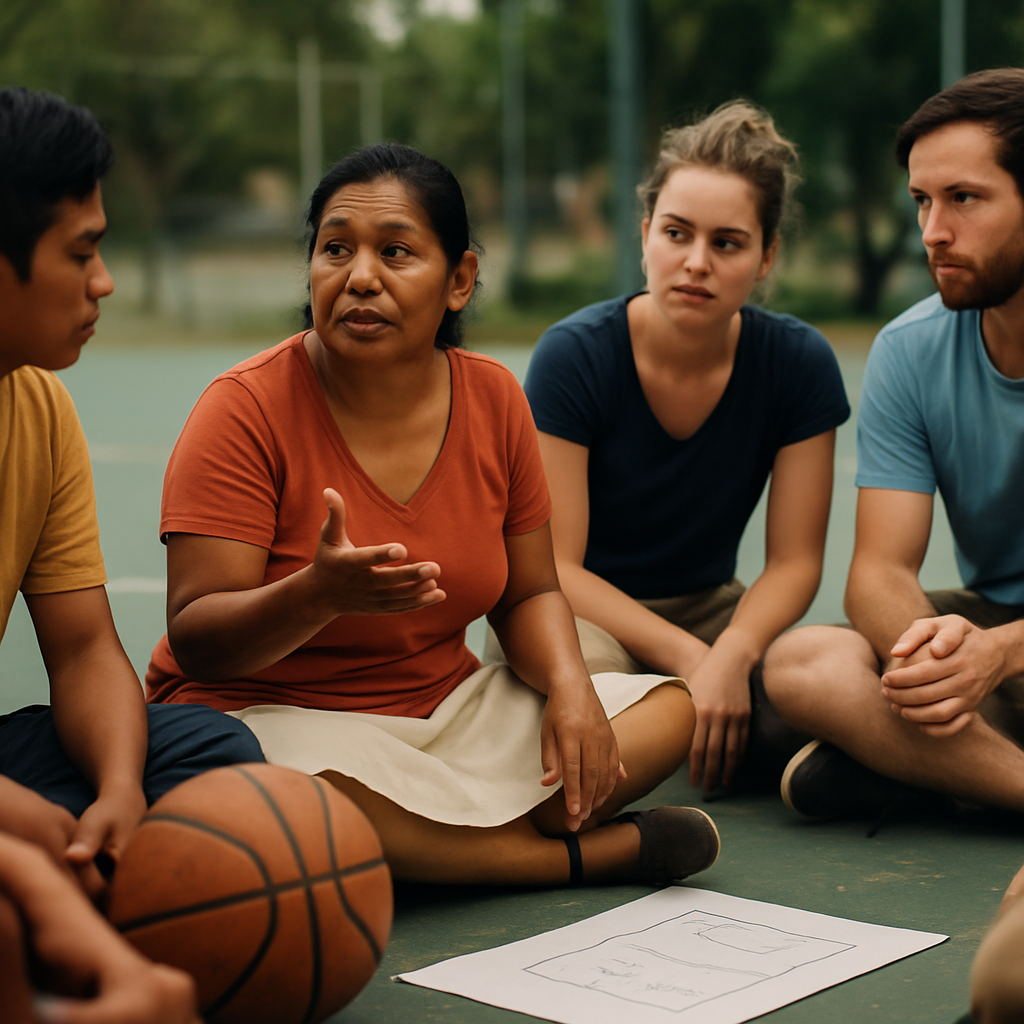
There is no single model for every challenge. But the essentials remain the same: listen before prescribing, invest for the long term, share risks and let local leaders help define success. In sustainable development, the strongest partnership is not the one with the most prominent captain. It is the one that leaves every player better able to keep the work going.